The gift

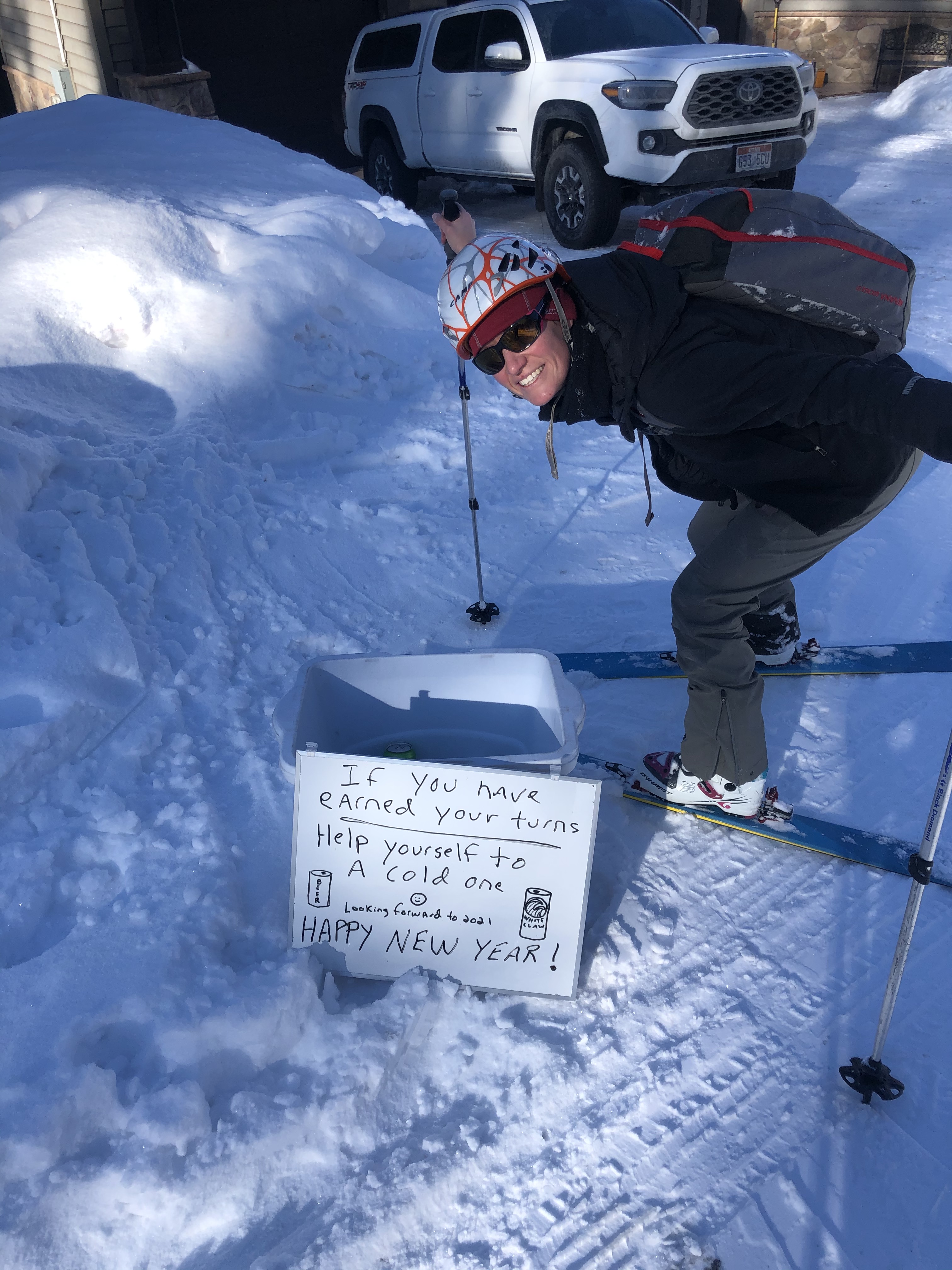
A general act of kindness to alleviate someone’s pain or frustration is priceless. But we don’t know what to do when we are in someone else’s debt.

The first reaction is reciprocity. This for that. Make things equal. But it can’t ever be equal. There is no way to measure how grateful you when you are down for the count. There is no yield to calculate unless money or product is changing hands.

The second is to pay it forward. I know this is semantics but I have a hard time with the word “pay”. We don’t do acts of kindness for money, we do it for community. We do it because it is the right thing to do.

The other option is to simply accept the gift. Don’t diminish the work that someone was trying to do. Don’t bring a lousy side salad to a dinner someone spent all day making. Don’t leave a gift card sending a signal for what that person’s time was worth.

Just say thank you. Take the gift.

2020-2021 Ski Season Recap

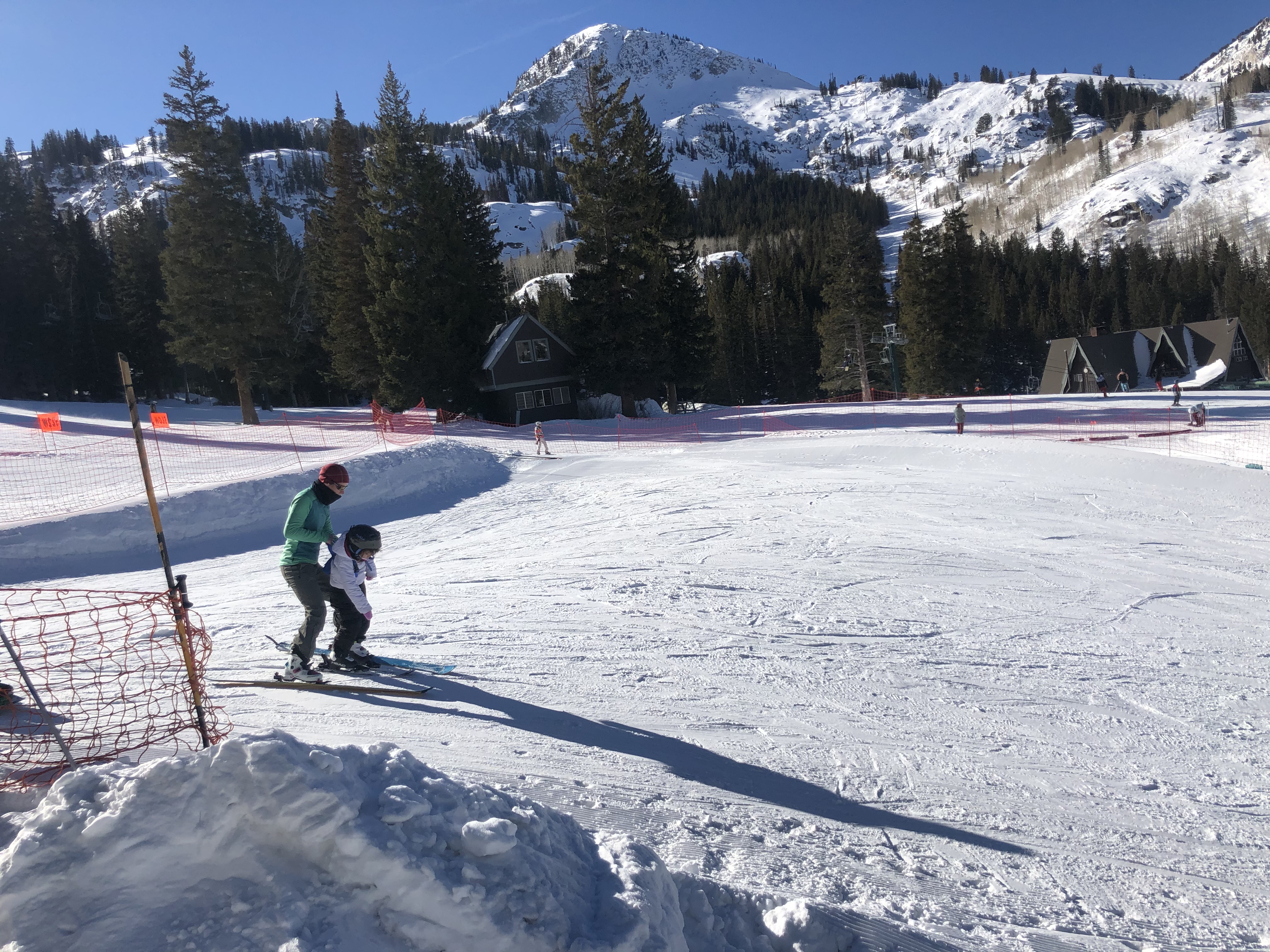
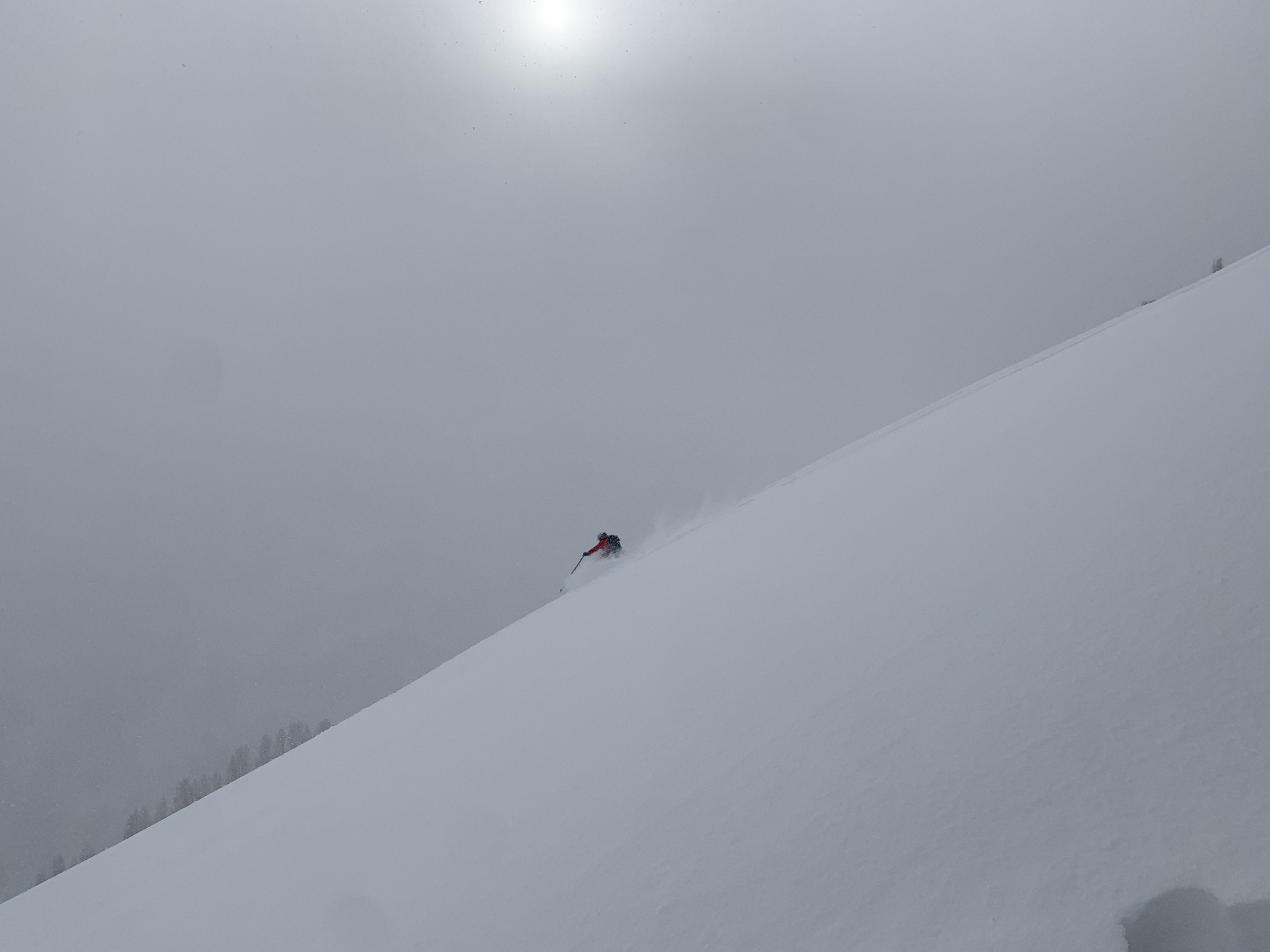
The snow was mostly subpar this season. Long stretches of no snow fall. Most of the early season terrain didn’t even open up until mid-January. That began a stretch of about five Saturday pow days in a row. Which also began the parking armageddon up the canyons.

Saturdays were usually the day we could start later because no one in the group was hustling to get to work. No longer. You have to be going up Big Cottonwood Canyon no later than 7:00 am and Little Cottonwood Canyon you have to be parking at Alta by 5:30 am.

Another disappointment this season was the touchy snowpack. At first, it looked like we were going to get a clean slate. The first big storm cycle brought 30″ and afterwards the tap shut off, making it by far the worst snowpack I have seen in the Wasatch since I have started skiing. The Wilson Glade incident put a dark cloud over everybody. Everyone knows Chris and the team at The Gear Room. Tragic what has happened. It was inspiring to see the community rally around them.

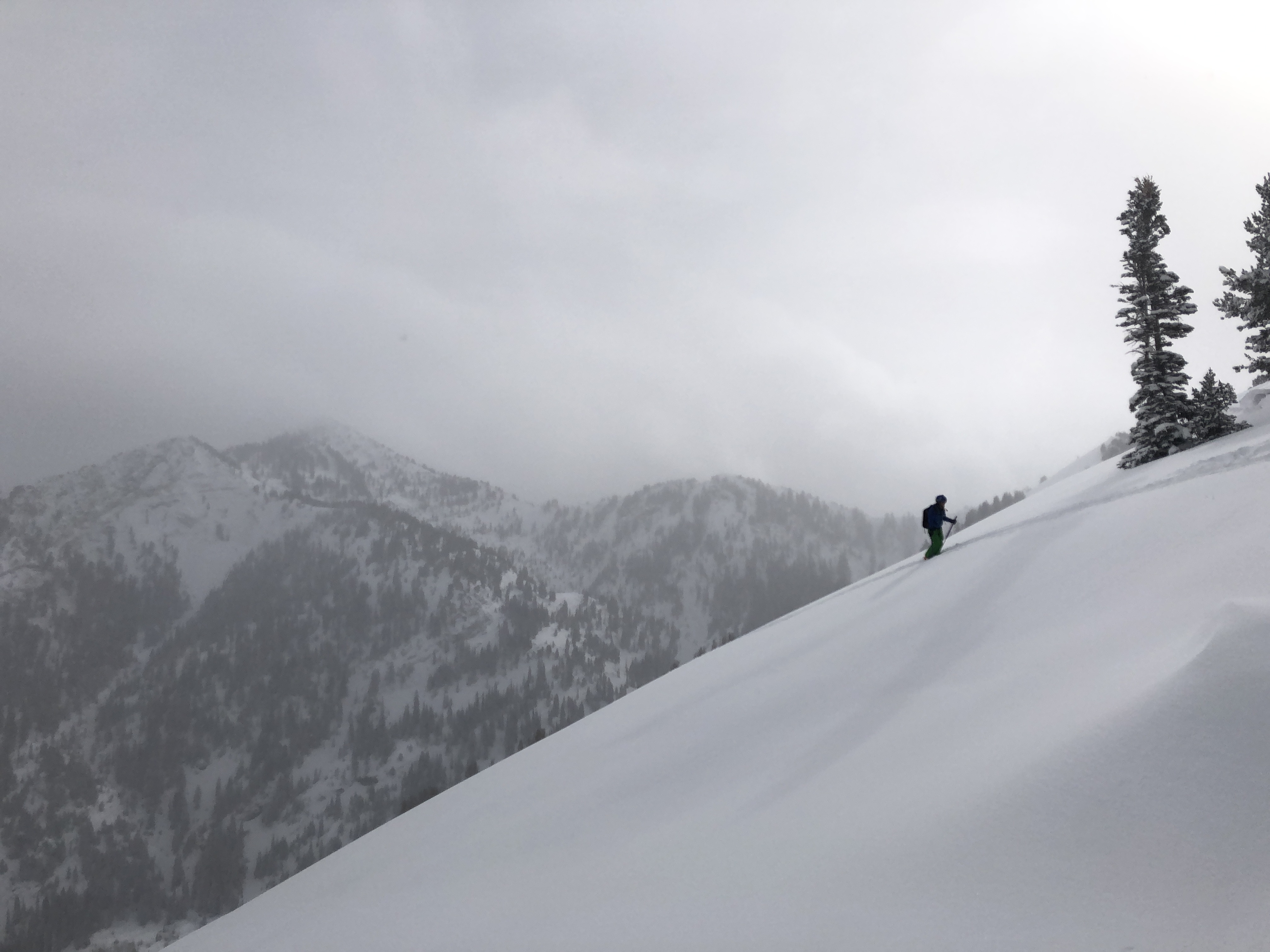
This season I made a bigger emphasis on looking for wind drifted snow. In the past, these were the small avalanches I have triggered the most. I wanted to get better at identifying the pillowing, paying attention to the direction of the wind and what the speeds were for the day. As always with avalanche hunting, you are neither lucky nor good but I’m happy to report I didn’t trigger anything of significance this season and was pleased with the danger being so high all of winter.

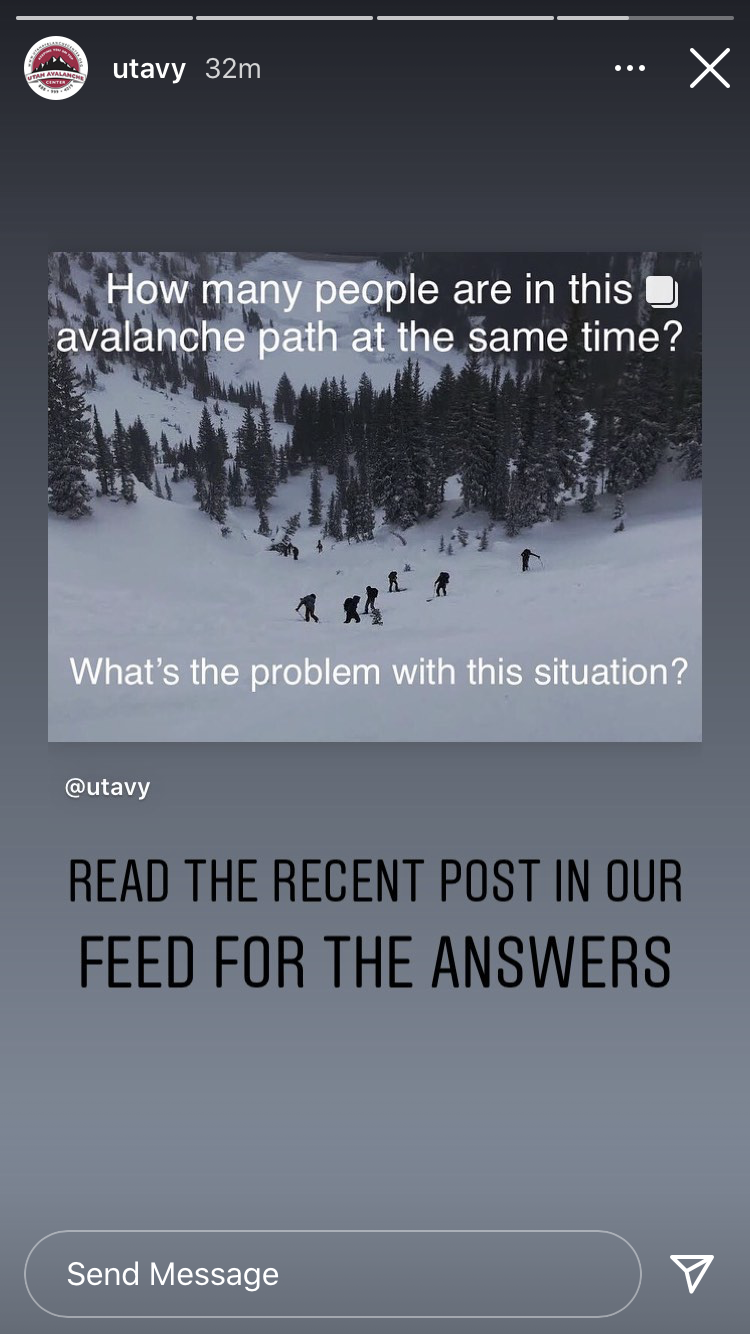
I also earned the nickname “Hall Monitor” in the group. I caught this picture of 11 skiers coming up a slide path on a high danger day. The UAC did a good job reposting and educating the influx of new skiers this season. Had a lot of fun this season posting observations and seeing them reposted.

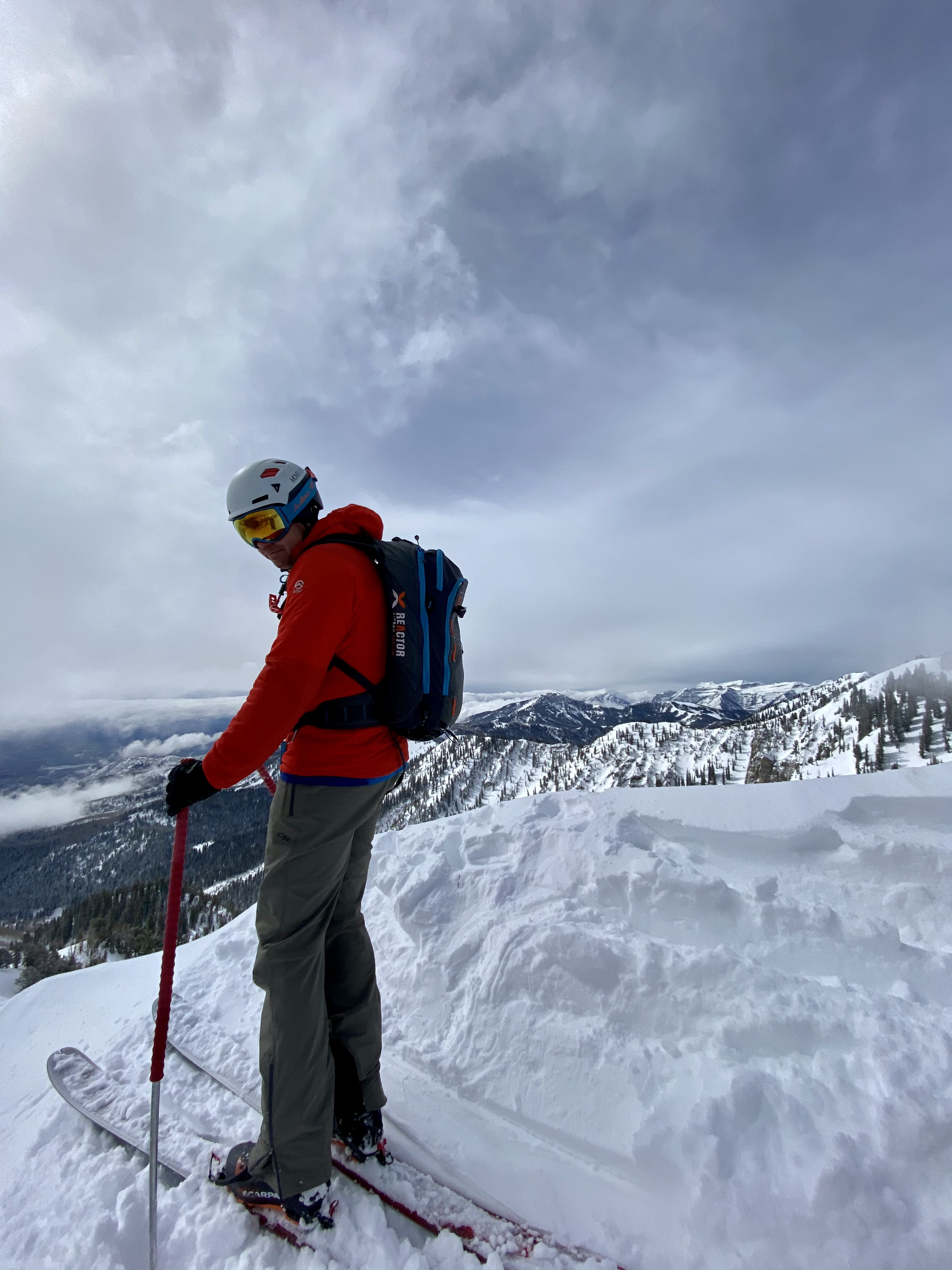
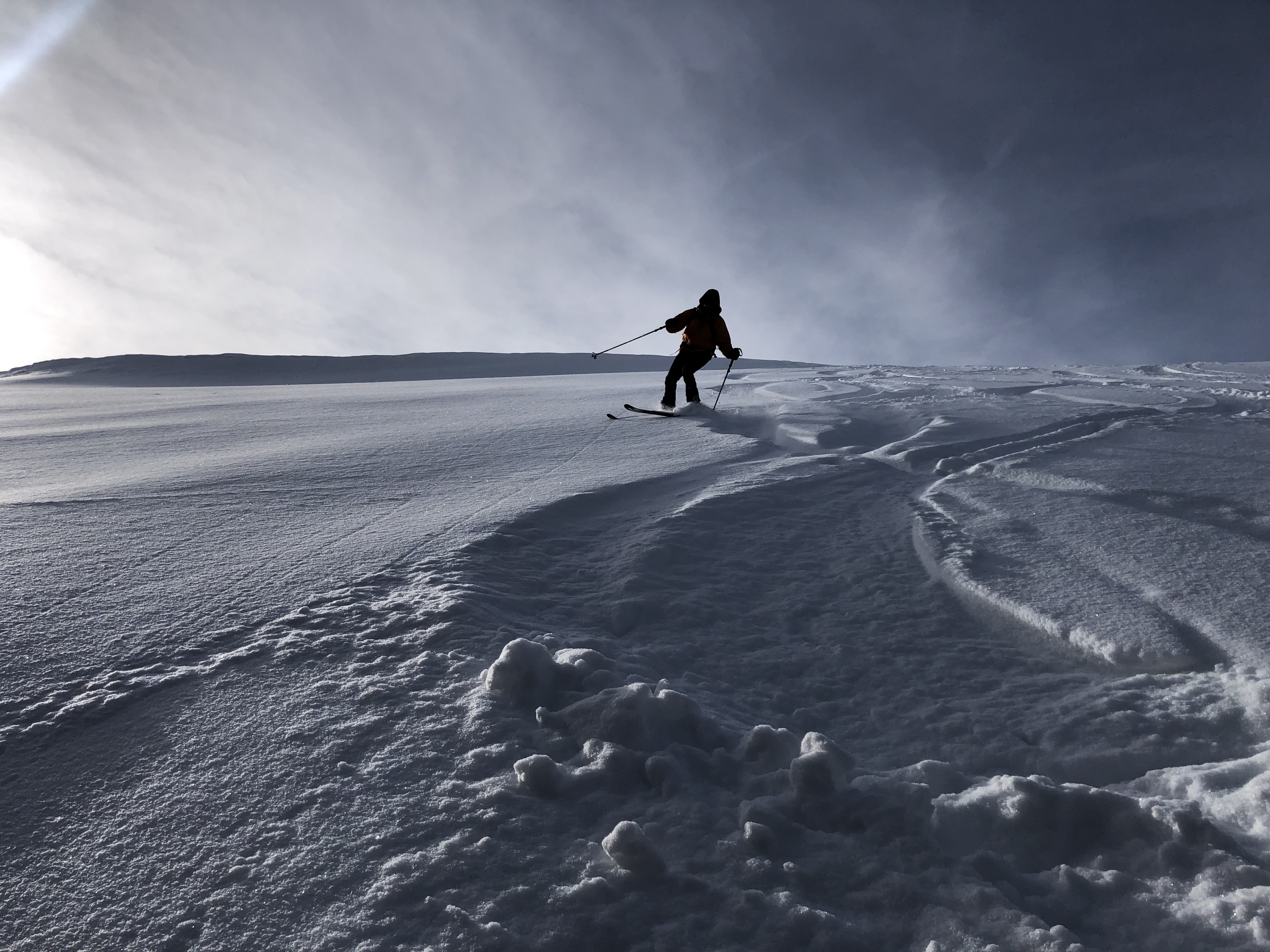
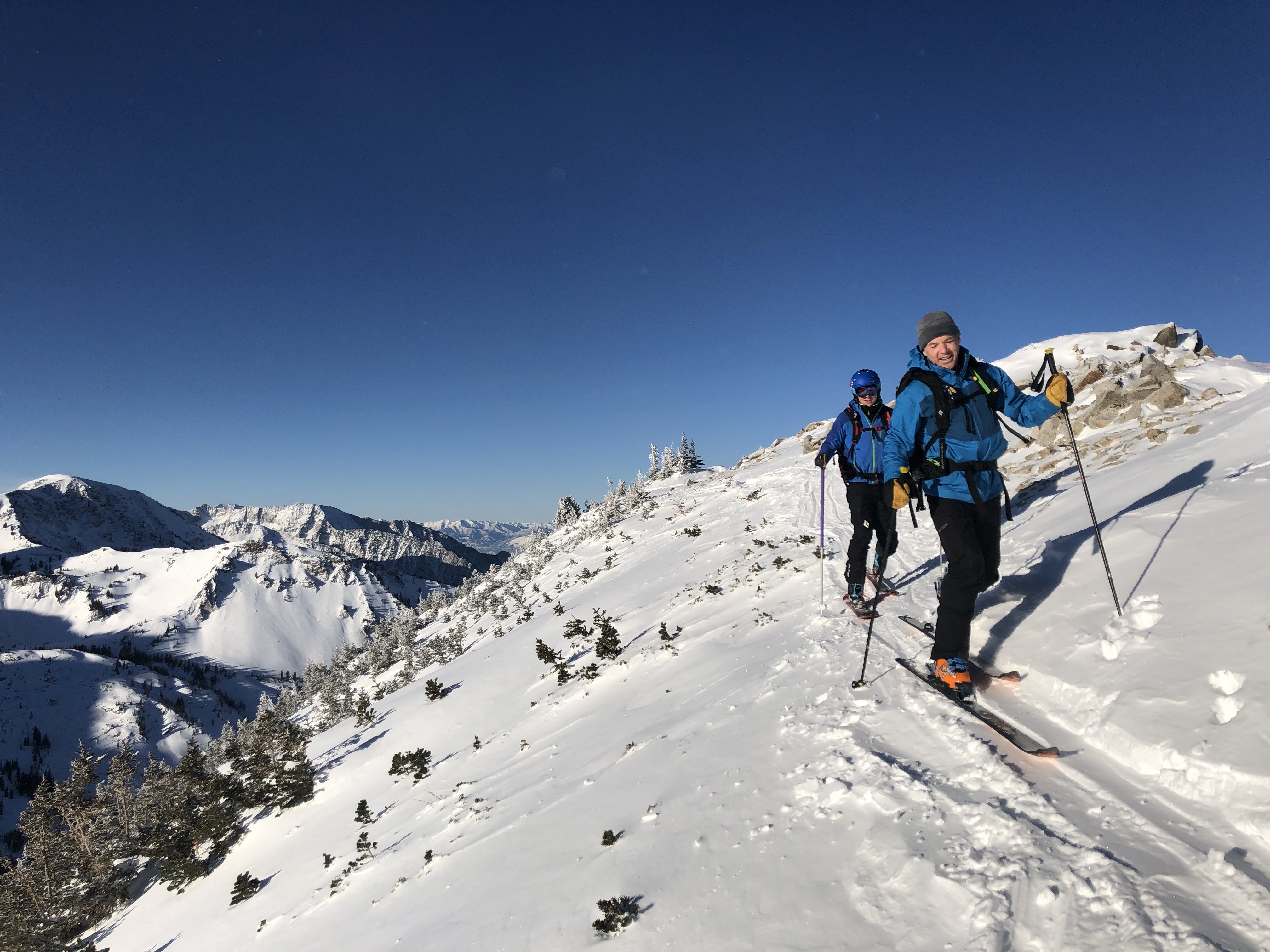
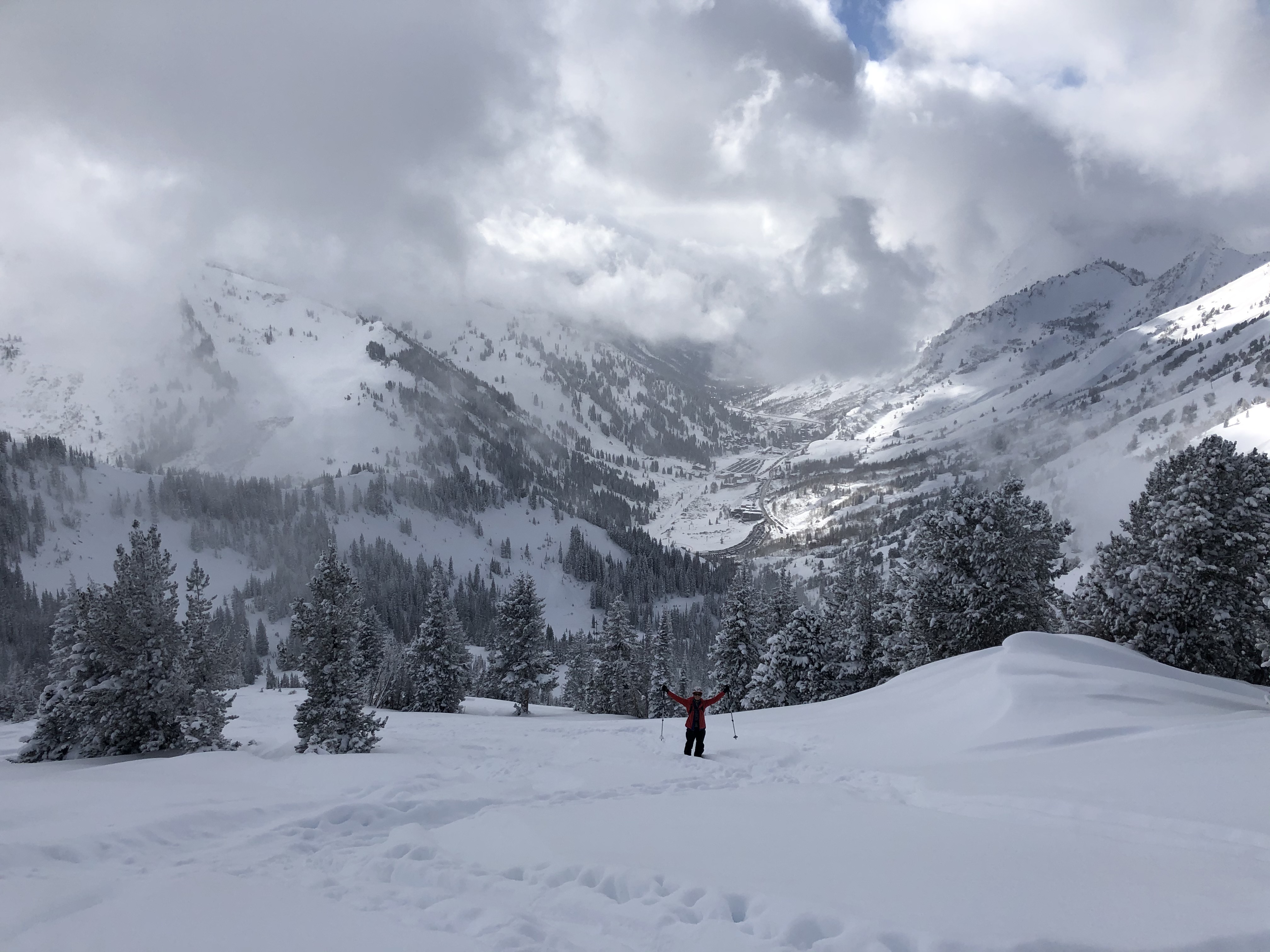
In total, I got 50 ski days in! A new personal best. I think in a normal snowpack (with more stability) that number could have easily hit 60. 150,112 vertical feet for the season with an average of 3,000 foot per tour. Not bad at all. I only skied one day in March. The second storm cycle that month, I was in Costa Rica. It was probably the only storm I missed this season.

The biggest storm cycle we had was a season saving 7 footer! We also saw a death rose during this time too. Most of the old timers posted that they have never seen that occur before. That snow storm didn’t have the most amazing snow to ski unfortunately. By the time the canyons opened it had settled considerably. In fact, Snowbird got some rain in the end. However, it did help stretch the season and for that many of us were grateful.

A disappointing end to the season was Alta announced that they would be starting paid parking up Grizzly. There are only two places to park in Little, near the resorts or White Pine. That’s really it unless you are doing some of the bigger lines on the divide. This will further complicate the pow days on the weekends going forward.

Notable ski runs this season:

  • Baldy Main Chute (Solo) – Fourth tracks down
  • Pioneer Main Chute (w/ Chris) – Wasn’t on my radar at all but I really love this area. Need to go spend more time back here.
  • Lake Peak Chute (w/ Adam) – One of the two steepest lines I have ever skied. We got first tracks with some flat light but an incredible outing how it worked out.
  • Birthday Chutes (w/ Kelly) – Terrible visibility but some of the best snow of the season.
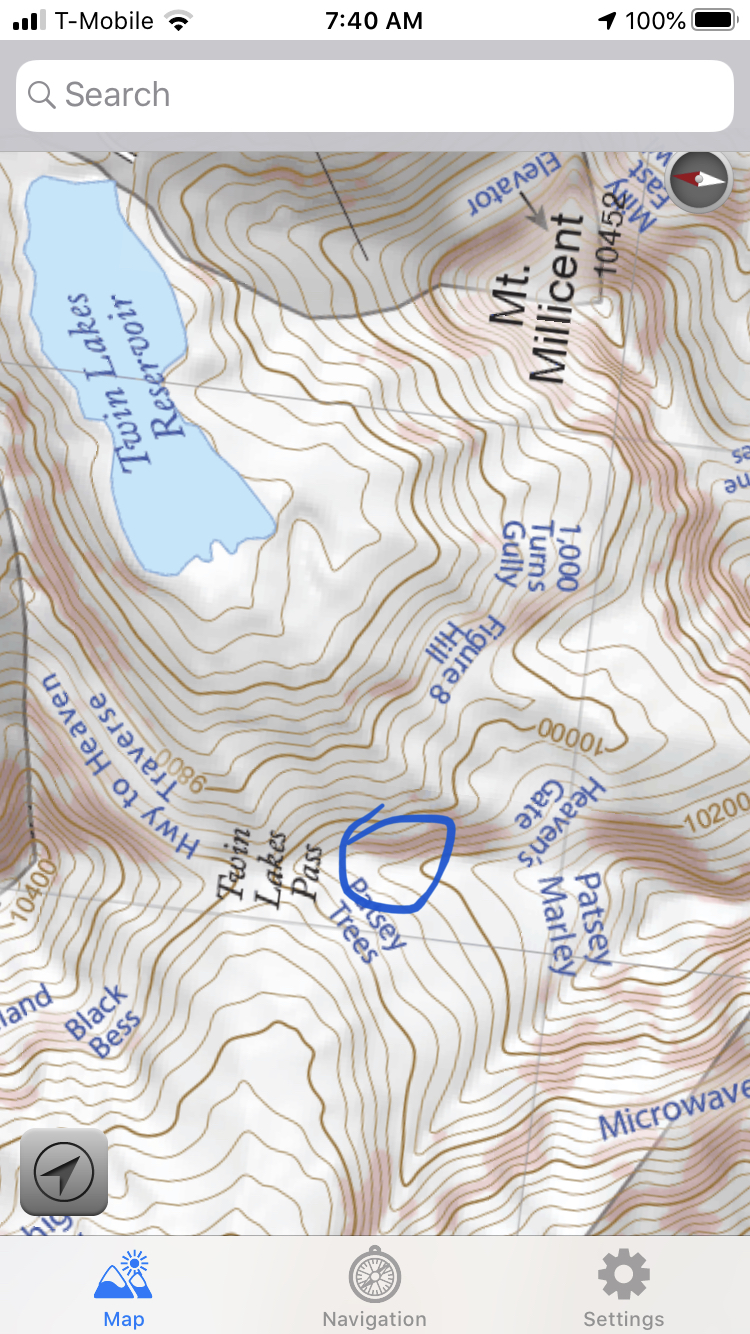
  • The Hallway and Two Trees (w/ Chris and Ryan) – Not the best snow at the top but The Tube was fantastic. This was my second time down The Hallway. We finished going down through Two Trees. Really loved that area and a good stepping stone to dip my toe in the Superior area.
  • 5K day (w/ Adam and Jared) – 7 foot storm cycle spent in Grizzly.
  • Will’s Hill (w/ Mike, Kelly, Chris) – New area that I have never done. Loved it.
  • 10,000K day in Grizzly (w/ Kt, Adam, Chris and Jared) – First attempt at a 10K day and I was not prepared with enough food. Ended up bumming some bars off a stranger. Bit unofficial. My phone did not cooperate well this season with vert. I will just have to do it again next season!
  • Beartrap Day (w/ Mike) – We were skiing in Beartrap. Mike and I witnessed a ton of cracking and collapsing. I had made the comment that someone would die this season off Silver Peak (PC side). Unfortunately, the next day someone did. Spooky.

The rest of the season was in the regular, low angle spots: Mill D, Beartrap, Silver Fork, Point Supreme Area, Grizzly. This season I wanted to explore White Pine–got to do that at the very end. I wanted to get over 100K and smashed that. Also wanted to do a 10K day in there. Mission accomplished.

I can tell by my last tour, I was done making difficult decision this seasons. Backcountry skiers have to make thousands of small decisions that make a big impact. Sometimes life or death. With the challenges this season, I was just done.

Gear wise I also got to do some splurging. The new Scarpa F1 LT are a game changer in terms of stiffness to lightweight and mobility. Highly recommend if you can get it to fit. I also tried the Plum 150s and they have not disappointed. I have been pleased how they have ejected when I need them to. Lastly, I finally pulled the trigger on the Voile Hyper V6s. The easiest ski I have ever used. I didn’t know skis could be so fun. This will be the new set ups going forward.

“It’s been done before”

Either they were fast

or

You were slow.

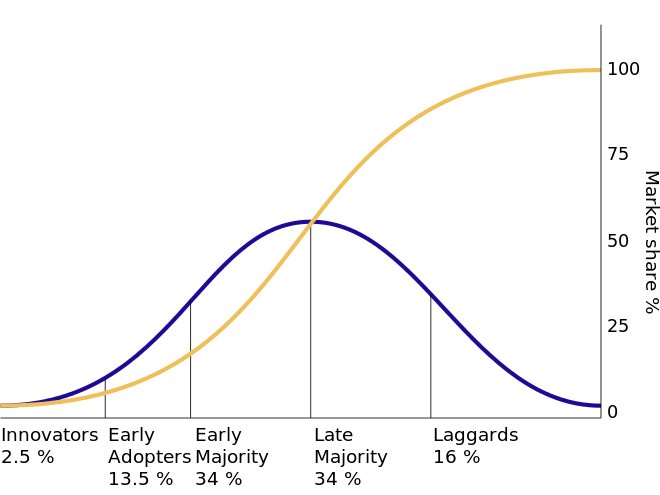
If you were one of the last to switch over to a smartphone or from DVD’s to digital, it might be worth assessing where do you land on the curve below?

Everett Rogers’ Diffusion of Innovation

Roger’s theory of diffusion of innovation explains the rate of how ideas spread. The questions that come to mind:

Do people still believe climate change is just about temperature?

Do critics actually know what critical race theory is?

Do you believe the last presidential election was stolen?

Why would someone still be waiting for a COVID-19 vaccine?

Perhaps the problem isn’t how people fall for conspiracy theories but rather their ability to adopt new ideas.

Some move fast, others slow.

Sticky ideas

On Twitter, fake news travels six times faster than the truth.

People don’t have to prove something to be true with data or evidence but rather create enough confusion around a subject that makes it difficult for others to understand.

There’s no friction when your friends post misinformation about the COVID vaccines. All you need to do is to click the like button or share for the meme to spread. Much more difficult to verify. Much more difficult to voice your concerns amongst your peers.

There has not been one single reported death because of the COVID-19 vaccine. Not one out of the 268 million doses administered. On the other hand, COVID-19 has killed over 585,000 people at the time of this post. And yet, because of the misinformation that spreads it causes many of us to hesitate. To blink.

Let’s be clear, misinformation is far more dangerous than bold face lies. Having threads of truth intertwined with fiction makes a compelling story for people to tell and to stick.

Resilience

We think of resilience as this idea that when adversity comes, we find a way to overcome it.

That is a very narrow way of looking at the world.

Resilience isn’t necessarily about the will power to fight through difficulty but rather the ability to find the resources you need when you are in trouble.

Genealogy

I’ve been reading about my genealogy lately.

Going back to my great, great, great, great, great grandparents, I found James and Elizabeth Allred, the first Mormons to be baptized.

Seven generations later, there are many Latter-day Saints still practicing.

Think about that.

The decision of two people made in 1832 has lead a course for so many down the road.

Decisions hold significance. More than we give them credit for.

And it isn’t just religion. It could be whether you decide to go to college, where you live, starting a family business, deciding to be sober…

Good or bad, your decisions will influence the generations to come.

The quest for truth

When is the last time you challenged a deeply held belief you have?

We are so sure of ourselves that what we have practiced and what we have been taught is the correct way to live.

When we choose a lens to see the world, we are filtering data. Cherry picking what we see to reaffirm our beliefs.

Not often do we go back and question what we believe is true. Overtime, we create a story in how we see the world, ignoring the other narratives.

Was the source of our knowledge correct? What if they were wrong? Sure, each of our belief systems have some form of truth to them. The most powerful narratives always do. It certainly not the whole picture though.

Why do I believe what I believe?

That is a fundamental question for exploration.

When we open ourselves to other possibilities, are humble in admitting we are wrong–a whole bunch of things open up.

Truth can be a painful lesson. It is also our responsibility to seek it.

I spend a lot of time thinking about the state of our mental health with the work we do. And I often think that the source of bitterness is the unresolved tension of what a deeply held world view creates when it is inconsistent from what we actually know.

The little voice in my head is often reminding me: “I don’t want to question or scratch the surface of that one thing because it is too close to my identity of who I am. Are you with us or against us?”

Thoughts on the state of books

Books have been going out of style for a while now.

I still buy books (often used) because I like the feeling I get from holding one. I like highlighting them and going back to the source later down the road. I like that I have “rescued” a book from someone else’s shelf or warehouse. I like seeing them on the shelf and being reminded about something. They are cherished in my house and are some of my most prized possessions.

Most importantly, when I read a book I am now fully immersed in one subject. When you spend 20 or 50 hours on idea, you begin to think deeper about it.

That’s the problem with audio books. On one hand, you can have someone dictating while doing the dishes or on your commute. Taking dead time and now making it productive. There is an important place for this.

On average, people read no more than one book per year after formal education. That is really depressing when you consider how many hours per day we spend on our smartphones.

Audio smashes these barriers. While I don’t think audio will ever completely replace how we learn, audio books and regular books can work together to create a massive shift in our decision making.

Read one book and you can become informed. Read 10 and you are an expert. Read 100 and you are now a world expert.

100 books is the barrier to becoming someone we will seek to learn from.

Written language is one of the most important human inventions of all time. Creating a bank of knowledge has changed us more than anyone of us can recognize.

Pivoting

The problem with changing your mind, pivoting from one direction to the next, there is a massive chasm you must cross.

Sunk costs.

Are you willing to admit that dumping your life saving into Doge coin wasn’t a good idea?

Are you willing to say after 10 years of medical school you don’t want to be a doctor?

The choice can be painful. You have your fragile ego whispering you don’t want to embarrass yourself in front of your friends or family. You have another part of you recognizing the consequences of betting on the wrong decision.

If you are like most people, when we don’t know what to do we end up procrastinating. Effectively, making the sunk cost even grater.

Performing life saving surgery is great but it doesn’t change the fact you don’t like the site of blood.

While there is no easy way around financial implications–and you certainly can’t get your time and energy back (that is spent)–you can say, “Knowing what I know now, I can make a new decision.”

That is the power of knowledge and experience. You didn’t know back then and it was always a possibility things could go wrong or not work out. It wasn’t a sure thing to begin with. There is always a risk in every decision.

It’s not always a bad thing either. People find a new faith all the time. Yet, they met their spouse, had kids, spent time, money under one assumption…and now they believe something different.

The difference we have to ask ourselves is, Are you happy where you landed?

Losing your 401K at Vegas, that’s often rock bottom. Knowing what you know now, however, you can make a change.

If you are happy about the person you are today, you rarely regret the decisions you have made along the way that led you here.