Structure

Quarks and electrons are the smallest particles we know.

After that?

Well, the amount of energy it would take to observe at those depths would start a black hole.

So, for now, we have to be content that we don’t know what the next level is. The question I wonder is:

Does it have structure?

What has structure and what doesn’t is something worth examining in our own lives.

Seeing is believing

If we are interested in a phenomena that can only be detected experimentally, how do we come to have knowledge about unobservable entities?

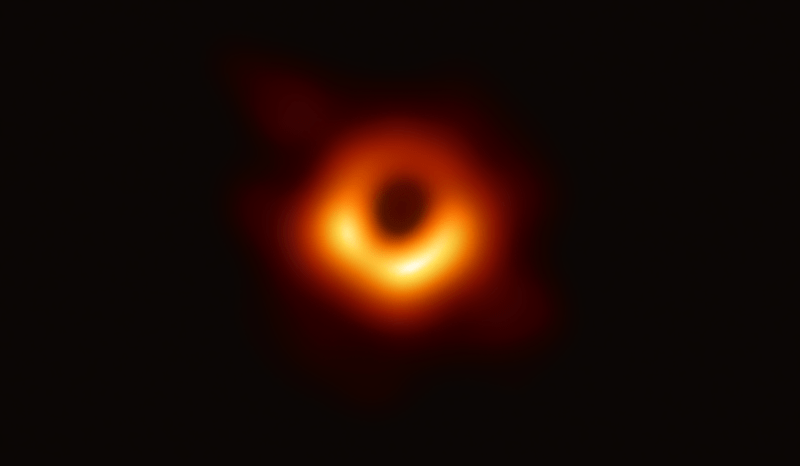
In the case of black holes, by turning the whole Earth into what is essentially one large satellite dish, scientists from around the world have captured the first image of a black hole.

Silhouette of the Black Hole at M87.

Sometimes we need to be shown what we can’t see. Afterwards, we are changed forever.

Indeed, seeing is believing. It is also the first step in understanding.

Assessing risk

I do a large amount of backcountry skiing. And for many, that is way out of the comfort zone of what is an acceptable risk.

For me, watching someone free solo or free base, that just seems crazy.

It turns out, risk tolerance is different for each of us. There is a clear difference between comfort zones and growing zones and how willing each of us are willing to dance with the fear that is associated with taking risks.

We can’t eliminate all the risk. Sometimes we can manage it. But life is hazardous. It’s a dangerous world. So much is trying to kill us. At the same time, no one wants to live in a bubble.

When is the last time you tried taking a chance?

We often associate courage with capes, badges or guns. But there is courage in standing up for what is right or speaking for those without a voice. Or perhaps, sharing your best work to the world. Maybe that is what we are missing. Emotional courage.

…

2020 has made us very cautious. We have forgotten what it is like to take a risk. How are we to start living again? Especially since the pandemic is still happening.

Riding in the slow lane

We call this smelling the flowers. Yet, we often forget to enjoy the process.

Life isn’t a journey unless there is a destination. But we don’t stop long enough to ask, Where am I actually heading?

Courses change. The wind blows in all sorts of directions. Perhaps, slowing down and just simply taking it all in will help us not to forget to take in this moment before we turn to the next.

Free will

There is a lot of intensive debate about defining what free will is.

When asked, many will explain that free will has an important distinction–whether or not participants can resist outside influences.

If you believe in free action, you also tend to believe that you can resist the pressure of outside forces.

If you don’t, then you tend to believe that you didn’t (can’t?) act against outside forces.

But these are incredibly narrow views of free will.

We don’t know the internal motivation of people. And following the pressure of a crowd may well be a good thing. (I’m grateful it is common practice to wash your hands before prepping food.)

External pressures are not the root of free will. Free will is about autonomy regardless of outside forces.

The environment dictates so many of our choices, who knows how much free will each of us have? I do know that life is better when we choose to exercise our influence. No matter how small.

Remember who you are

More importantly, always remind yourself who it is you want to become.

For success and happiness doesn’t come out of pursuit but when one fully dedicates oneself to a cause greater than themselves.

People are plastic. Flexible and malleable. Not iron.

Keeping streaks alive

The Rocky Horror Picture Show has played at Portland’s Clinton Theater every Saturday night for 43 years.

And during the pandemic they kept it playing, even when no one came.

That’s commitment. That’s a streak that someone has found that wasn’t worth breaking.

How does one keep a streak alive during the trying times?

  • Make the decision once. Decide now what you will commit to doing the rest of your life.
  • Start in the morning. The science tells us that cognitive load goes up as we go through the day. The ability to make good decisions goes down the more decisions we make.
  • Be accountable to someone. Who’s it for? What’s it for? Find the why.
  • Make your art. Art is anything we do as humans that bring emotional labour to the table to make a connection. Art is what we get to do to bring joy, meaning and happiness.
  • Be grateful that you get to do the work you do. There are billions still without the proper resources.
  • It isn’t about the numbers, it’s about the impact. Knowing that the Clinton Theater is still playing Rocky Horror sends a signal that the virus doesn’t change who we are.
  • Infinite games by nature don’t have an ending. But you can find a game within a game.
  • You can’t spring forever. It is a marathon. Find a pace you can maintain.
  • Read something inspirational. When I am thirsty, books fill my cup.

Most importantly, find a new way to measure. Clearly, keeping Rocky Horror playing wasn’t for the money. It was for the story that people told themselves. That story matters.

Economic power

When you study the works of economic thinkers like Ricardo and Smith, you will find rents to be a powerful economic incentive.

Own something that is scarce and turn up the ratchet.

Someone with a million dollars doesn’t have enough money to compete in the type of machines that farmers or automobile titans have. It is requires too much capital.

So, what do you do?

Invest in real estate or perhaps crypto or a VC.

You make small, safe economic moves to go from 1 million to 2. 2 to 5.

When this goes at scale, however, you have a few people that own a lot of real estate. Wealth continues to flow to the top.

The ones on the bottom have no way to break the cycle and despite best efforts have no economic mobility once wealth transfers from one generation to the next.

This is how aristocracies were built. And they continue to this day.

Sure, with real estate you can point to low interest rates, low inventory and high demand for houses. This is true. There are other things behind the curtain that continue to make it hard for those to get what their parents had.

Desperate moves

If you’re unemployed long enough, you will take the first offer you are given.

That is what makes desperate moves so desperate: You are willing to take anything that comes in your path.

If you invest time building a resilient system, the frequency of emergencies tends to go down.

The longer you are out of debt, the more you invest in a nest egg. If you have an emergency fund, having your car go out won’t disrupt the flow. The less artifacts you collect, the less credit card debt you will accumulate. And on and on and on.

Let’s be clear, the system that is set is rigged. Money flows to the top. And the rich do get richer. Social mobility continues to dwindle no matter how hard people work. What was true then isn’t true anymore.

Until we get the system right, the choice then is to figure out how to build a resilient system for ourselves. Personal choices are still a powerful tool despite the landscape:

  • You don’t have to go a famous college when the community one down the road is a fraction of the price.
  • You don’t need a new car. Cars lose 40% of their value over the first 4 years. That’s a good starting point.
  • You probably are missing out on tax benefits by not hiring a professional.
  • Accidents happen, do you have your financial affairs in place when the day comes that you leave this world?
  • Don’t buy it unless you can go home and pay it off. Building credit is part of the nature of the business these days. But there are smart ways to do it. The reason why credit cards offer the incentives they do is because they are winning. Treat credit cards like Vegas. “The house always wins.”
  • FOMO is real. Housing prices continue to skyrocket. Bitcoin seems to come and go. Be patient. Don’t skip steps.

Despite making all the correct choices, it still may not be enough. That is the world of inequality that we continue to build. We must keep demanding change.