There are laws of the universe that we can’t argue with. We would be wasting a lot of energy to bargain with gravity. But since, in the context of earth, we can count on gravity to be consistent without compromise.
Which allows ideas to grow. Based on the current limitations and what we know, we can now make a hypothesis and create ideas from there. Ideas are totally different than laws. They can grow, change, and you can abandon them. Picking and choosing as you see fit.
Ideas are fiction. They are totally made up. Which means they can be rewritten. Laws, on the other hand, are immovable.
Can you not quit that job you really hate or are you just failing to imagine a world outside the devil you know?
Punching the clock was first implemented in the 1700s by Josiah Wedgewood. Who is credited for kicking off the industrial revolution in Europe. He is also credited with implementing door-to-door sales, buy one get one free, the money-back guarantee, and catalogs.
This was only possible because of the pocket watch. Without keeping track of time, how could you get a warehouse of factory workers to show up at the same time? When Part B is waiting for Part A, you can see how important is to organize people to do their part to make mass production work at efficient levels.
But the pocket watch didn’t also kick off the assembly line, it also changed the way we think of time. No longer did time pass. It became spent, leveraged, and used. Time became a more apparent finite resource. It shouldn’t be a surprise to discover that time is actually the most used noun in the English language.
Ice climbing has a rating system. Water Ice 1-6 (WI for short). 6 is some of the hardest and more dangerous in the world. Each number goes up exponentially in difficulty.
Zion National Park has some of the wildest ice climbing in the world. In fact, they created their own rating system–made famous by the late Scott Adamson–called Pretty Damn Western (PDW).
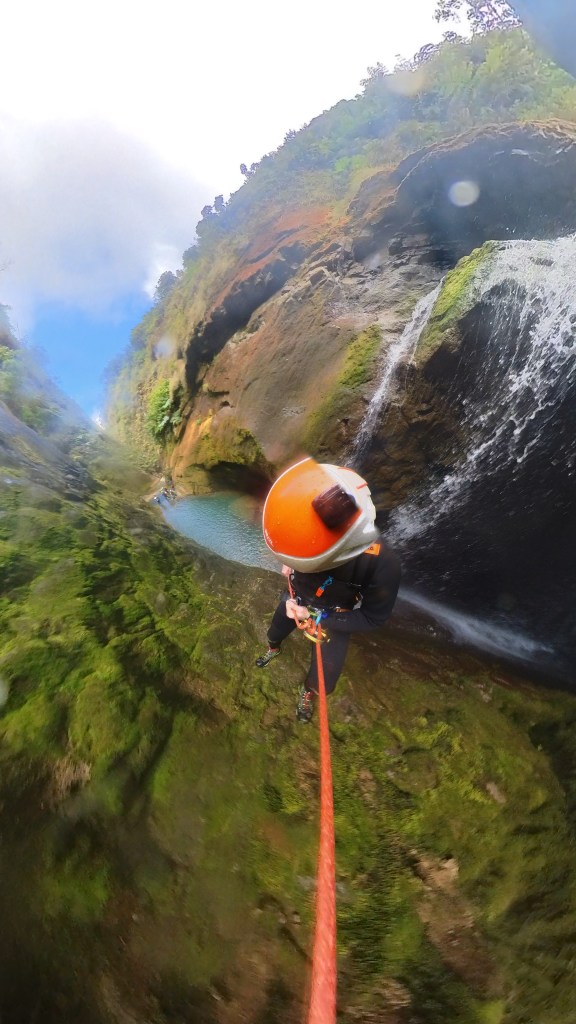
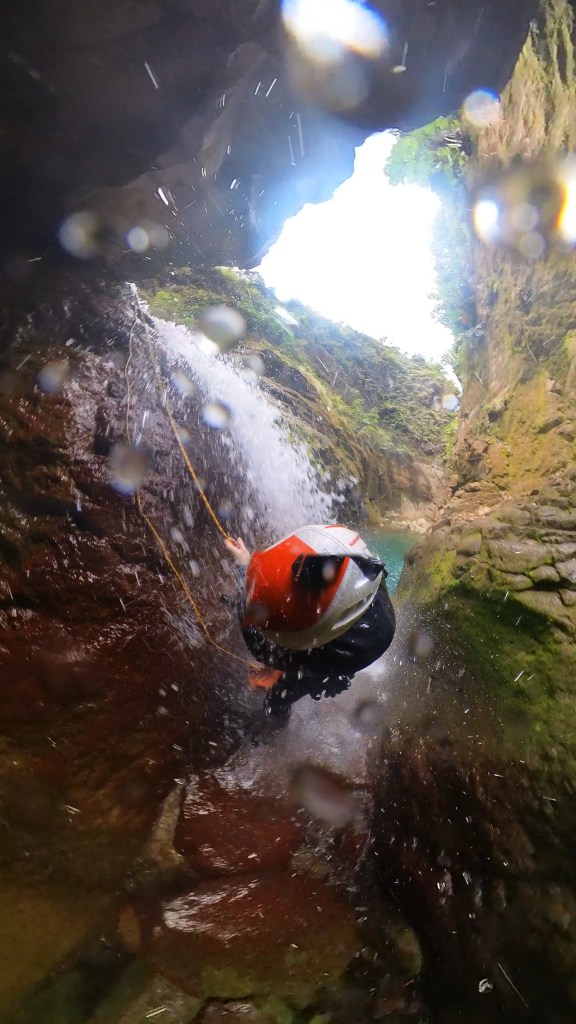
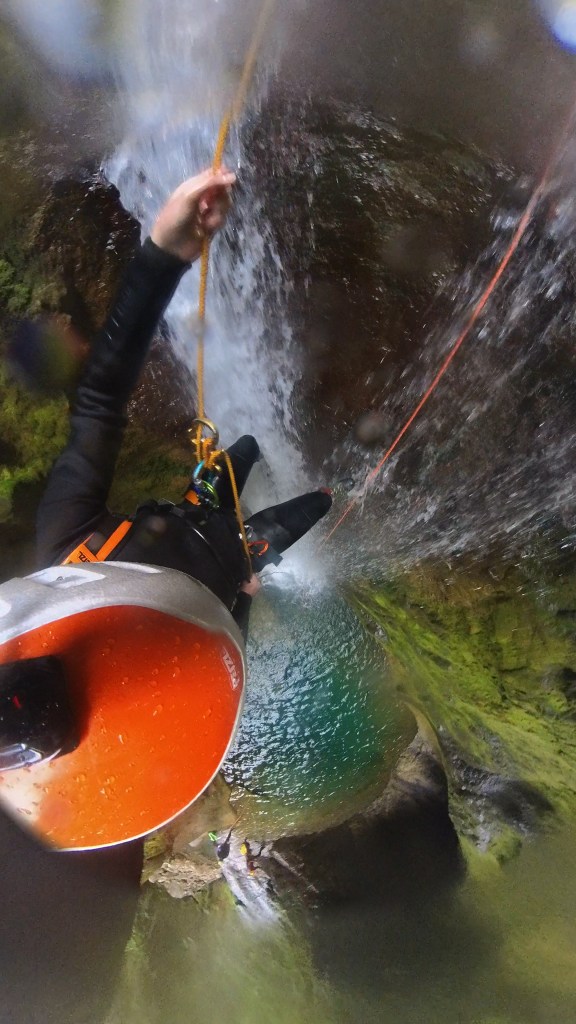
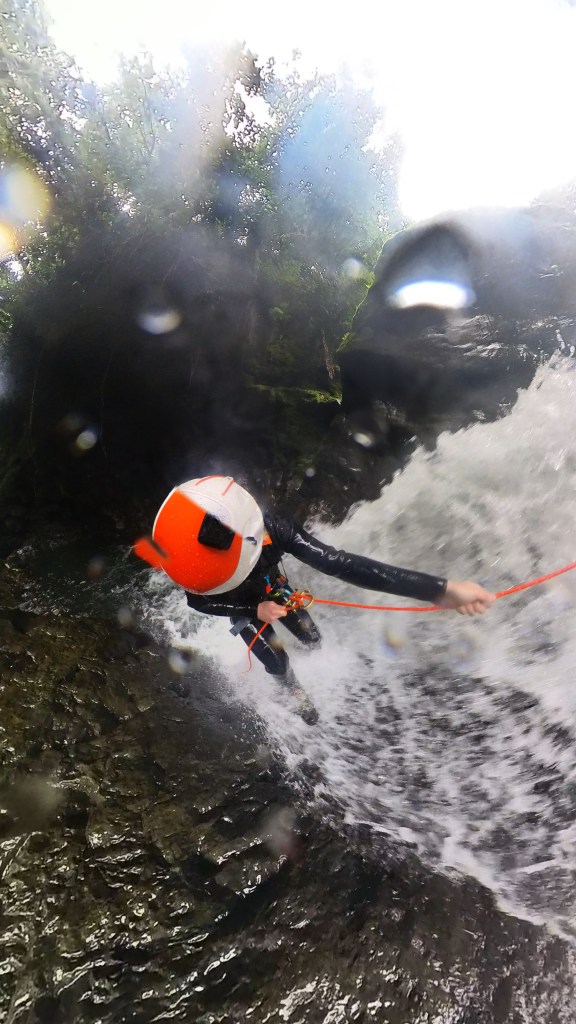
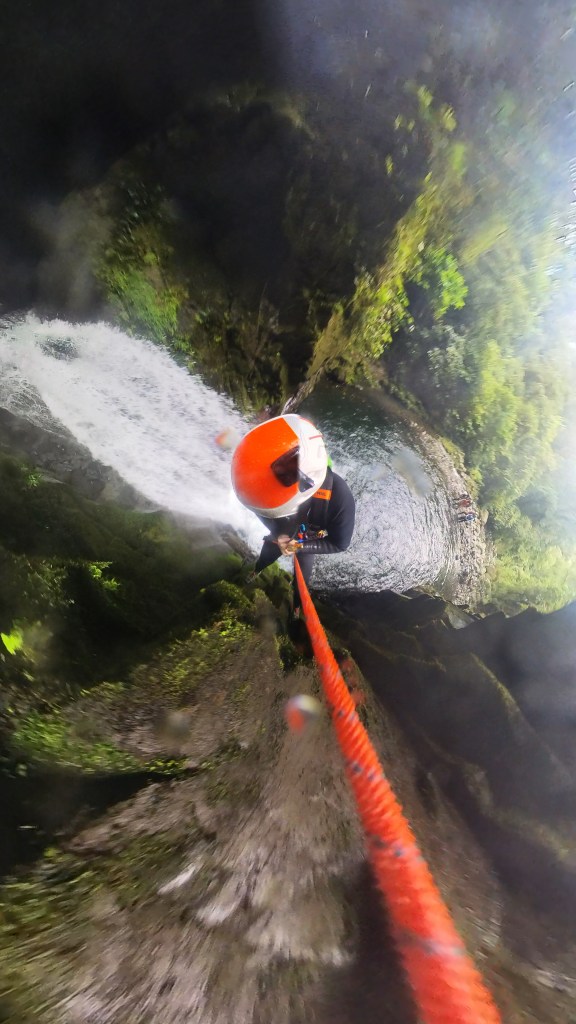
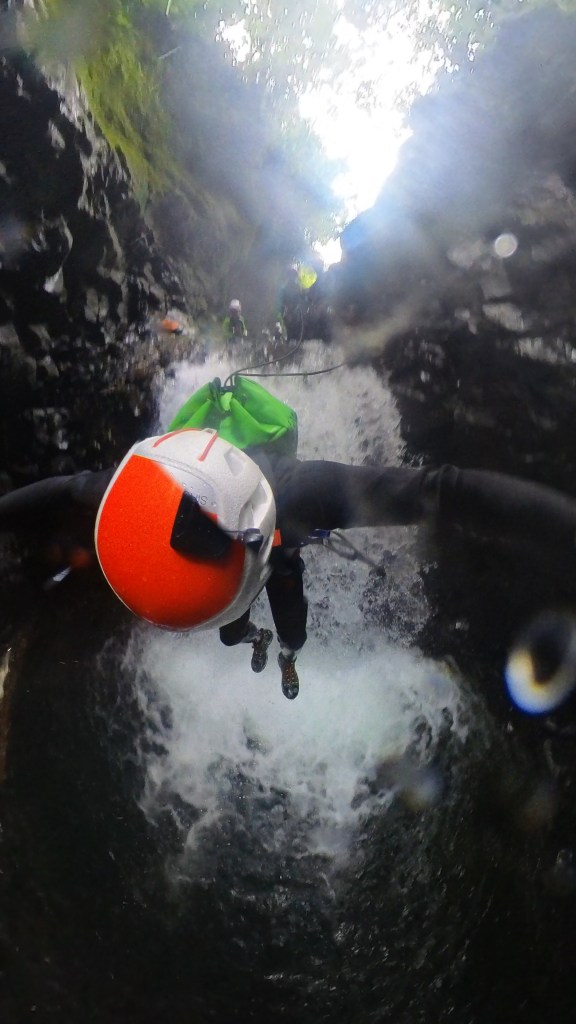
Recently, we finished a trip down in Costa Rica to go canyoning. It was an absolute blast. This is our second time going and the canyons down there are absolutely world-class. On this trip, there was a log jam of other canyoneers. One party was very upset because it wasn’t to the guiding standards here in the U.S. I couldn’t help but think about the entitlement this person felt because they paid. (Quite frankly, such a small amount to what is paid here stateside.) Their reality didn’t match their expectations. They went with a guide with significantly less experience because pride had set in.
We become so sheltered that we forget how we do things is not the right way. As they say, “there are lots of ways to skin a cat.” In addition, Pretty Damn Western comes to mind. The canyons in Costa Rica are wild. It is a glimpse of what it was like 40 years ago here in Utah. The nearest rescue team was in Mexico. Bolts are hardly replaced and you have to jump off stuff to move efficiently. You have to take care of yourself. And while we so desperately are willing to trade so much of our time and money for convenience it isn’t how the other half lives.
From a distance. The kind of judgment you pass about Rihanna’s song choices at the Super Bowl. The kind you make about the Game of Thrones ending. Doesn’t really affect you all that much.
Up close and personal. When we are directly hurt by the actions of others. This is the distracted driver who hits the back of our car.
It’s worth examining whether we are being critical of others because of how it affects our lives or are we choosing to be critical cause we are seeking something else (status)?
Recently, I took a trip that needed to be altered. I canceled the second leg. The flight cost significantly more occupying the same seat that was half the miles. With an opportunity for the flight to sell that ticket again.
The reason? I didn’t read the fine print.
We lose trust, attention, the benefit of the doubt, and the chance to delight the people we seek to serve because of the fine print.
This leads us to ask what are we in business for? What purpose are we here? Because once you define the mission the behaviors and decisions follow.
It is much easier to decide how to handle exceptions to the rule when you know how you want to treat the people around you.
I have seen people hold back a standing ovation because they think the show wasn’t worth one.
There’s a saying in theatre:
“If you don’t want to clap because it wasn’t any good, clap because it is over.”
Clapping is a signal. A way for each of us to say thank you. There is no obligation because you already paid to be there. And yet, in general, most thank you’s don’t cost us anything. It’s an expenditure of emotional labor.
I find myself thinking more and more that if the show wasn’t for you that’s okay. But you can still appreciate the work someone put in to try and make magic. Art is a generous gift. And for that, that is always worth a round of applause.
 Josh Allred's Blog